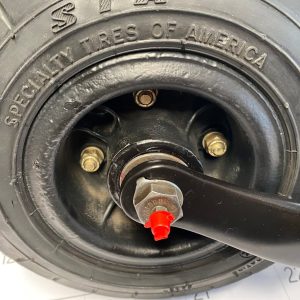
The Scott 3200A Tailwheel – Fully Rebuilt combines an established aviation design with inspected, serviced, adjusted, and replaced components intended to restore dependable mechanical operation. The quality of the rebuild depends on workmanship, parts selection, dimensional condition, technical procedures, final adjustment, and available documentation.
The Scott 3200A Tailwheel Assembly should be matched with the aircraft tail spring, mounting arrangement, steering linkage, operational weight, and approved configuration. A Scott Tailwheel Assembly should be evaluated as a complete mechanical system rather than judged only by its tire, fork, paint, or visible exterior hardware.
A worn or incorrectly configured Aircraft Tailwheel Assembly can contribute to shimmy, poor tracking, binding, excessive swivel, uneven tire wear, or difficult maneuvering. The General Aviation Tailwheel should receive maintenance based on actual use, operating surface, contamination exposure, and observed condition.
Whether operators are sourcing a Heavy-Duty Aircraft Tailwheel, Tailwheel Aircraft Parts, or Aircraft Steering Tailwheel, condition and documentation should remain central.
Why Aircraft Owners Choose the Scott 3200A
A fully rebuilt Scott 3200A may offer practical value when its identity, condition, rebuild scope, and aircraft compatibility are confirmed. The tailwheel operates together with the aircraft tail spring, steering chains or links, steering springs, rudder system, attachment bolts, and surrounding structure.
Scott 3200A Tailwheel Applications
Actual operation depends on the complete aircraft installation rather than the tailwheel assembly alone. The exact work completed should be listed clearly because rebuilt assemblies may differ in scope and component replacement.
Scott Tailwheel Assembly Service Quality
The rebuilder should evaluate corrosion, cracking, bearing condition, spring strength, steering engagement, axle wear, bushing clearance, and fastener serviceability. A freshly painted assembly may still contain worn bearings, weak springs, excessive clearances, or damaged steering components when no true rebuild was completed.
Aircraft Tailwheel Assembly Operation
Tailwheel condition influences taxi tracking, turning ability, maneuverability, and pilot workload. The tail spring and steering linkage strongly affect how the assembly responds to pilot input.
Choosing a General Aviation Tailwheel
Grass, gravel, and dirt can introduce moisture, abrasive particles, vegetation, and debris into moving areas. Training aircraft may accumulate frequent taxi and landing cycles, while bush airplanes may experience greater surface irregularity and impact loading.
Aircraft Tailwheel Steering Performance
The tailwheel contributes to directional control as the aircraft transitions between stationary, taxi, acceleration, deceleration, and landing rollout. A serviceable tire-and-wheel arrangement supports the work completed within the steering mechanism.
Maintaining a Taildragger Tailwheel
Mechanical wear, poor alignment, or unsuitable steering adjustment can increase pilot workload. Responsible operation can extend Taildragger Tailwheel service life.
Benefits of an Aviation Tailwheel System
Every component influences how steering input reaches the wheel and how operational loads return to the aircraft. Left and right steering connections should be inspected for matching condition and correct installation.
Tailwheel Steering Assembly Performance
The mechanism should respond smoothly without sticking, harsh engagement, excessive delay, uncontrolled release, or irregular centering. Correct clearance prevents binding and unnecessary mechanical loading.
Choosing a Ground Handling Tailwheel
Its mechanical condition influences how easily the aircraft can turn and track on the ground. Towbars and handling equipment should match the aircraft and remain clear of vulnerable tailwheel components.
Maintaining Scott 3200 Series Components
Historical popularity does not remove the need for exact aircraft compatibility and installation verification. Buyers should verify markings, mounting dimensions, steering-arm arrangement, wheel configuration, and included components.
Choosing a Heavy-Duty Aircraft Tailwheel
The tailwheel should match the aircraft’s suitable configuration, tail load, geometry, and operating environment rather than being selected from appearance alone. Even a robust assembly can wear quickly when the tail spring, steering links, mounting bolts, or alignment are incorrect.
Tailwheel Aircraft Parts
Every component should match the intended Scott assembly and aircraft installation. Systematic inspection supports dependable long-term performance.
Maintaining Aircraft Steering Components
Alignment and steering-link condition influence how accurately the wheel follows pilot input. Maintenance personnel should inspect steering arms, springs, chains, fork structure, wheel condition, and mounting points after significant events.
Buying a Replacement Aircraft Tailwheel
The removed assembly can provide useful measurements, markings, hardware details, and steering-arm orientation. The replacement should be inspected after delivery for shipping damage, missing components, rough bearings, incorrect hardware, cracks, or visible defects.
Choosing General Aviation Landing Gear Parts
General Aviation Landing Gear Parts include tailwheels, nose gear components, main gear assemblies, wheels, tires, brakes, bearings, springs, steering parts, and mounting hardware. Known limitations and damage should remain clearly disclosed.
Rebuilt Tailwheel Buying Checklist
A pre-purchase inspection should confirm the assembly identity, rebuild scope, structural condition, included components, tire status, steering arrangement, and available documentation.
- Confirm that the assembly is a Scott 3200A, review all visible markings, compare mounting details, and verify the wheel-and-fork configuration for the intended aircraft.
- Confirm whether retained components passed inspection and whether replacement parts were appropriate for the assembly.
- Confirm the seller’s terms, written invoice, rebuild documents, payment protection, shipping insurance, packaging method, inspection period, and return conditions.
Commissioning a Rebuilt Scott 3200A
Mounting surfaces, steering springs, chains, hardware, and attachments should be reviewed before the rebuilt unit is installed. Any unexpected behavior should be corrected before normal aircraft operation.
Professional follow-up adjustment may be necessary after initial operation.
Scott Tailwheel Maintenance Guide
The rebuilt assembly should be inspected according to aircraft use, operating surface, maintenance requirements, and observed condition. Recurring shimmy or unusual tire wear should be diagnosed rather than addressed through repeated adjustment without identifying the cause.
Cleaning methods should avoid forcing dirt deeper into bearings, bushings, and internal steering components.
Buying a Fully Rebuilt Scott Tailwheel
The Scott 3200A Tailwheel – Fully Rebuilt can provide a dependable replacement option for compatible aircraft when its rebuild click here quality, condition, configuration, and documentation are verified. The strongest purchase decision begins with confirming model identity, rebuild scope, replaced components, retained parts, structural condition, tire status, steering arrangement, included hardware, and aircraft compatibility.
Whether the aircraft operates from pavement, grass, gravel, dirt, private strips, utility fields, or backcountry airfields, the tailwheel should match the actual aircraft and operating environment. With responsible operation, protected shipping, timely maintenance, and organized documentation, the rebuilt tailwheel can remain a valuable aviation component.